 HOT LINE: 086-577-65159218
HOT LINE: 086-577-65159218

BERITA INDUSTRI
BERITA INDUSTRI
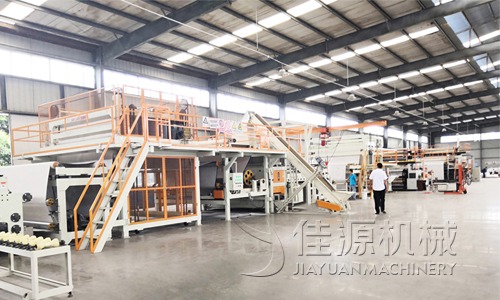
Polymer waterproofing membranes are rollable sheet-like waterproofing materials manufactured using rubber or plastic processing techniques—such as internal mixing, extrusion or calendering—with synthetic rubber, synthetic resin or a blend of both as the base material, to which appropriate amounts of chemical additives and fillers are added. Polymer waterproofing membranes can be classified in various ways; based on the base material, they can be divided into rubber-based, resin-based and rubber (resin) blend types. Among these, the rubber category includes EPDM rubber waterproofing membranes, neoprene rubber waterproofing membranes, chlorosulphonated polyethylene rubber waterproofing membranes, chlorinated polyethylene rubber waterproofing membranes and butyl rubber waterproofing membranes; the resin category includes polyvinyl chloride (PVC) waterproofing membranes, polyethylene waterproofing membranes and polyethylene-polypropylene double-sided composite waterproofing membranes; rubber (resin) blends include chlorosulphonated polyethylene-acrylic waterproofing membranes, polyethylene-ethylene propylene rubber (TPO) waterproofing membranes, and ethylene-vinyl acetate modified bitumen waterproofing membranes. Based on processing methods, they can be categorised into rubber-based and plastic-based types, with rubber-based membranes further divided into vulcanised and non-vulcanised varieties.
From the perspective of the polymer waterproofing membrane industry chain, the upstream segment comprises raw materials and production equipment. Raw materials include bitumen, membrane materials, polyester reinforcing fabric, SBS modifiers, inorganic fillers, emulsions, base oils, paraffin, and others. The midstream segment involves the production and manufacturing of polymer waterproofing membranes. The downstream segment covers application sectors, including residential construction, urban railways, water conservancy facilities, and industrial buildings.
Polymer waterproofing membranes possess a range of outstanding properties, such as high tensile strength, high elongation at break, high tear resistance, good heat resistance, uniformity, flexibility at low temperatures, good corrosion resistance and excellent ageing resistance. These characteristics give polymer waterproofing membranes significant advantages in waterproofing projects, such as the ability to accommodate structural expansion, contraction or cracking, long-term maintenance of waterproofing performance, resistance to chemical erosion and good durability. In recent years, with the rapid development of downstream sectors such as construction, transport and water conservancy, the market for polymer waterproofing membranes has demonstrated immense potential. In terms of output, China's production of polymer waterproofing membranes is projected to grow from 247 million square metres in 2015 to 728 million square metres by 2024, representing a compound annual growth rate (CAGR) of 12.76%. Looking ahead, with continuous technological advancements and sustained market development, polymer waterproofing membranes are set to enjoy even broader prospects for growth.

TELEPON: 086-577-65159218
EMAIL: jaynn@jaynn.com
ALAMAT: no.1, area c, wandong intelligent manufacturing industrial park, provinsi zhejiang, cina.
Subskripsi informasi
Akses waktu nyata untuk pemutakhiran terbaru


WeChat

Tiktok